
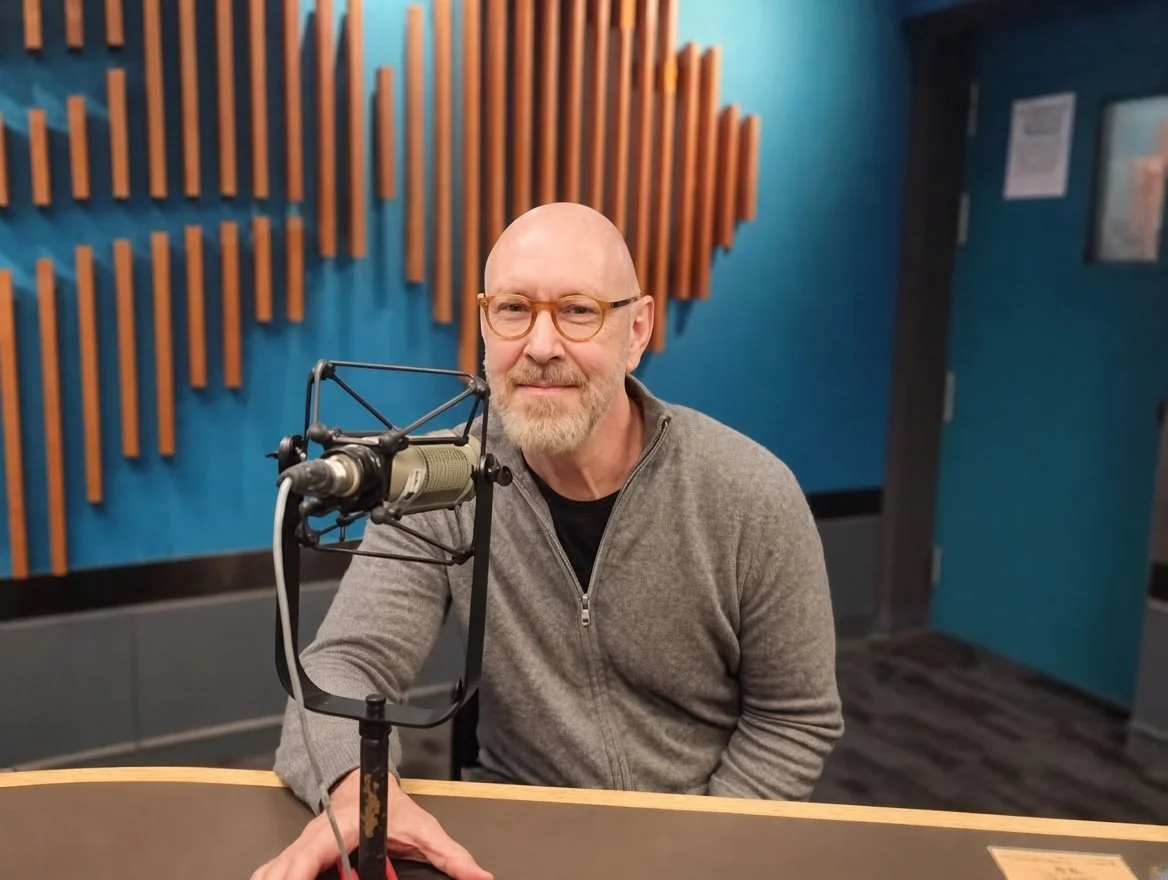
Personal Statement
I’m a psychotherapist and relationship specialist. My approach is integrative and person-centred: I start with the person in front of me rather than trying to fit them into a particular model. I also believe strongly in time-limited therapy.
My role is to give individuals and couples the understanding and practical tools they need to live their best lives.
My Path
My path into psychotherapy was not a conventional one. It started with Human Movement Science at the University of Otago in New Zealand, which led me to London and a career as a professional dancer. I worked with a number of companies and even had a brief stint as a television presenter with the BBC. Along the way, I became increasingly interested in how the body influences wellbeing, so I trained in Pilates and Yoga and began exploring wellbeing from a somatic perspective.
Early Days
In 2007, that interest took me into dancer wellbeing and academia. I spent 2009–2021 at the Hong Kong Academy for Performing Arts, working with performers and researching the physical and psychological demands of performance. I later spent a year at the University of Melbourne. The more I worked with performers, the more obvious it became that physical wellbeing could not be separated from psychological wellbeing.
Training
In 2016, I decided to retrain as a psychotherapist, completing my Master of Counselling at Monash University in 2018. By then, I had already completed postgraduate study at Trinity Laban and the University of Wolverhampton. My independent practice began in 2018, initially alongside my academic career, and eventually became the work I wanted to focus on full-time.
My Work Over Time
Over time, my work has increasingly centred on relationships, intimacy and sex. I am trained in CBT, ACT, Schema Therapy, EMDR, Emotionally Focused Couples Therapy, PACT, the Gottman Method, Brief Solution-Focused Therapy and the Ackerman Institute’s systemic approach to sex therapy. I draw from these approaches according to what is useful for the person or couple sitting in front of me.
I am a Full Member of the Hong Kong Society of Counselling and Psychology (#0238), a Certified Sexologist with the American Board of Sexology (#24151), a member of the Australian Counselling Association (#20760) and the Psychotherapy Society of Hong Kong. I have also completed sex-therapy training with the Ackerman Institute for the Family in New York.
Boundaries
Confidentiality, professional boundaries and ethical practice are fundamental to how I work. Therapy should allow people to be honest without feeling judged or having someone impose an answer on them.
Lasting impact
After living and working across several countries and moving between dance, television, bodywork, academia and psychotherapy, I have learned that people are rarely as straightforward as their CVs suggest. That is probably why I became a therapist. I’m interested in the whole person – and in helping people understand themselves, their relationships and the choices they want to make next.
I am Trained in
EMDR — helps process and move past trauma, distressing memories and experiences.
Schema Therapy — helps identify longstanding patterns and beliefs that shape how we see ourselves, other people and relationships.
CBT — looks at the relationship between thoughts, feelings and behaviour, and develops more useful ways of responding.
ACT — helps people stop fighting every uncomfortable thought or feeling and instead move towards the things that matter to them.
Emotionally Focused Couples Therapy (EFCT) — helps couples understand the emotional patterns that keep them stuck and develop more secure ways of relating.
PACT — brings attachment and the nervous system into couples work, helping partners understand what happens to them under stress.
Gottman Method — uses research-based tools to help couples strengthen friendship, manage conflict and repair difficult interactions.
Brief Solution-Focused Therapy — focuses on what is already working and on practical, achievable change rather than spending all of the therapy analysing the problem.
The Ackerman Relational Approach — uses a systemic understanding of relationships, sexuality, intimacy, identity and family context to explore sexual and relationship concerns. My sex-therapy training was undertaken through the Ackerman Institute for the Family in New York.