
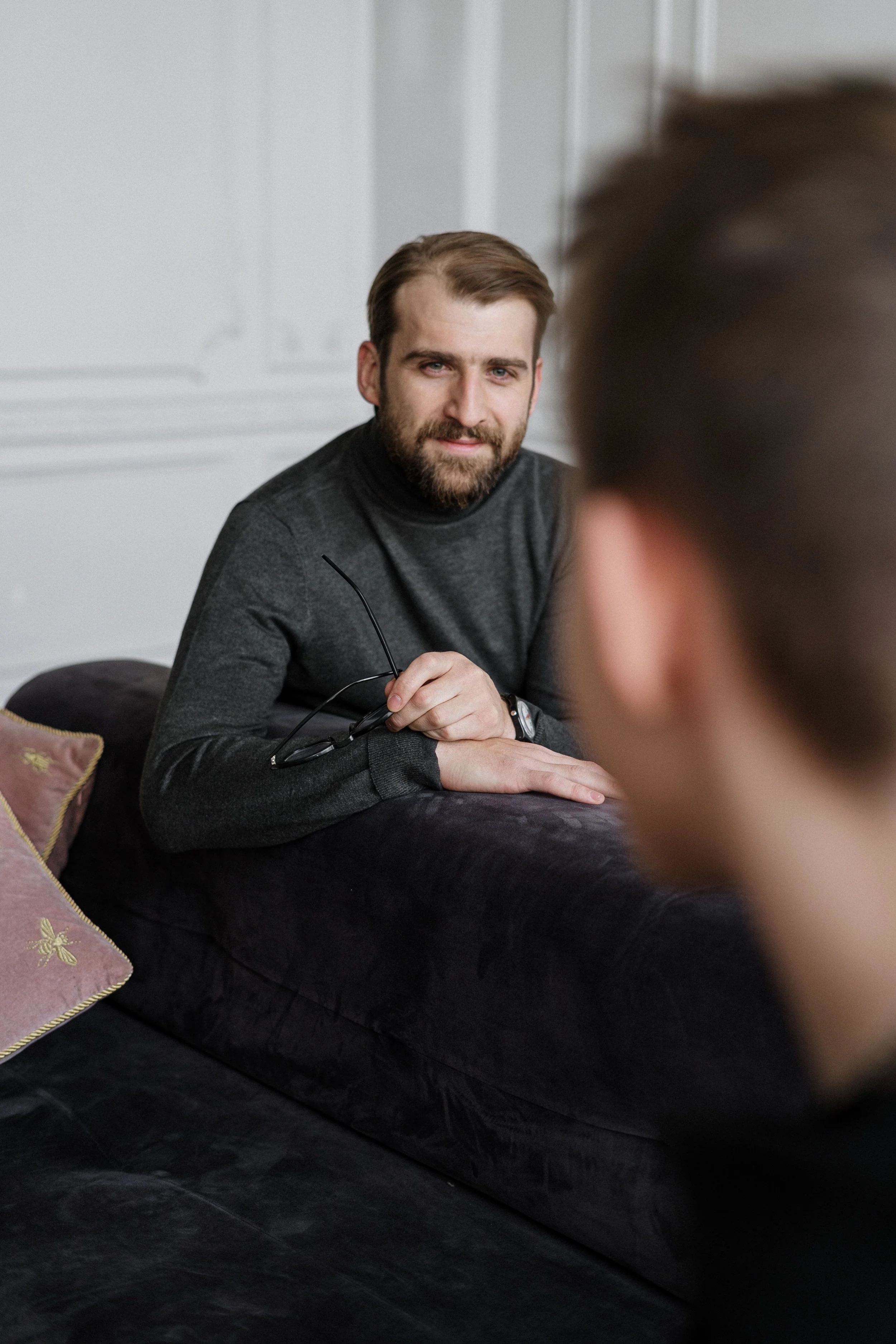
Individual Therapy
Individual counselling, also known as psychotherapy or talk therapy, is a personal journey of self-exploration and growth in a confidential and supportive environment. It involves working one-on-one with a trained therapist to address personal challenges, emotional difficulties, and mental health concerns.
This process allows you to gain insight into your thoughts, feelings, and behaviours, develop coping strategies, and make positive changes in your life. Whether you’re navigating a specific crisis, seeking personal development, or managing ongoing emotional struggles, individual counselling provides the tools and perspective to help you achieve greater well-being and resilience.
Key Issues Individual Counselling Helps With
Relationship Issues: Understanding past relationship patterns and developing healthy relationship skills.
Anxiety and Stress: Managing overwhelming worries, panic attacks, and daily stressors.
Depression: Coping with persistent sadness, lack of motivation, and feelings of hopelessness.
Grief and Loss: Processing the death of a loved one, job loss, or other significant life changes.
Self-Esteem Issues: Building confidence, self-worth, and a positive self-image.
Trauma: Healing from past traumatic experiences and developing healthy coping mechanisms.
Life Transitions: Adapting to major life events like career changes, divorce, or relocation.
Relationship Difficulties: Understanding personal patterns that impact relationships with others.
Personal Growth: Exploring identity, purpose, and striving for greater self-awareness and fulfillment.
Coping Skills: Developing effective strategies for managing emotions and challenging situations.
My Approach to Individual Counselling
As a multidisciplinary psychotherapist and counsellor, and I adopt an integrative Person-Centred approach, helping individuals address a wide range of personal challenges.
What to Expect in an Individual Counselling Session
When you come for an individual counselling session, you’ll find a welcoming and non-judgmental space where you can speak freely about anything on your mind. We’ll start by exploring your current concerns, your history, and what you hope to achieve through therapy. My role is to listen attentively, ask clarifying questions, and offer insights to help you understand your experiences more deeply. Sessions are conversational, sometimes challenging, but always focused on your well-being. You might explore past events, current patterns, or future aspirations, working together to uncover strengths, develop new perspectives, and equip you with practical tools to navigate life’s complexities with greater ease and confidence.
Individual Counselling FAQs

Begin Your Journey Towards Personal Well-being
Ready to explore your inner world and achieve greater clarity? Book a free 15-minute consultation to see how individual counselling can support your personal growth and emotional health.
Q: How often do individual counselling sessions take place?
A: Typically, sessions are held once a week to maintain momentum and consistency, but the frequency can be adjusted based on your needs and progress.
Q: Is everything I say confidential?
A: Confidentiality is a cornerstone of therapy. Everything discussed in sessions is kept private, with very limited exceptions related to safety, which will be explained at our first meeting.
Q: What’s the difference between counselling and talking to a friend?
A: While friends offer support, a counsellor provides objective, professional guidance, using trained techniques to help you gain insight and develop coping strategies that friends, however well-meaning, cannot.
Q: How do I know if individual counselling is right for me?
A: If you’re struggling with persistent emotional difficulties, feeling stuck, or wanting to make significant personal changes, counselling can be a highly effective path forward. A free consultation can help determine if it’s a good fit.
Q: What if I don’t know what to talk about?
A: It’s perfectly fine not to know where to start. My role is to help guide the conversation and explore what’s on your mind, creating a comfortable space for you to open up at your own pace.